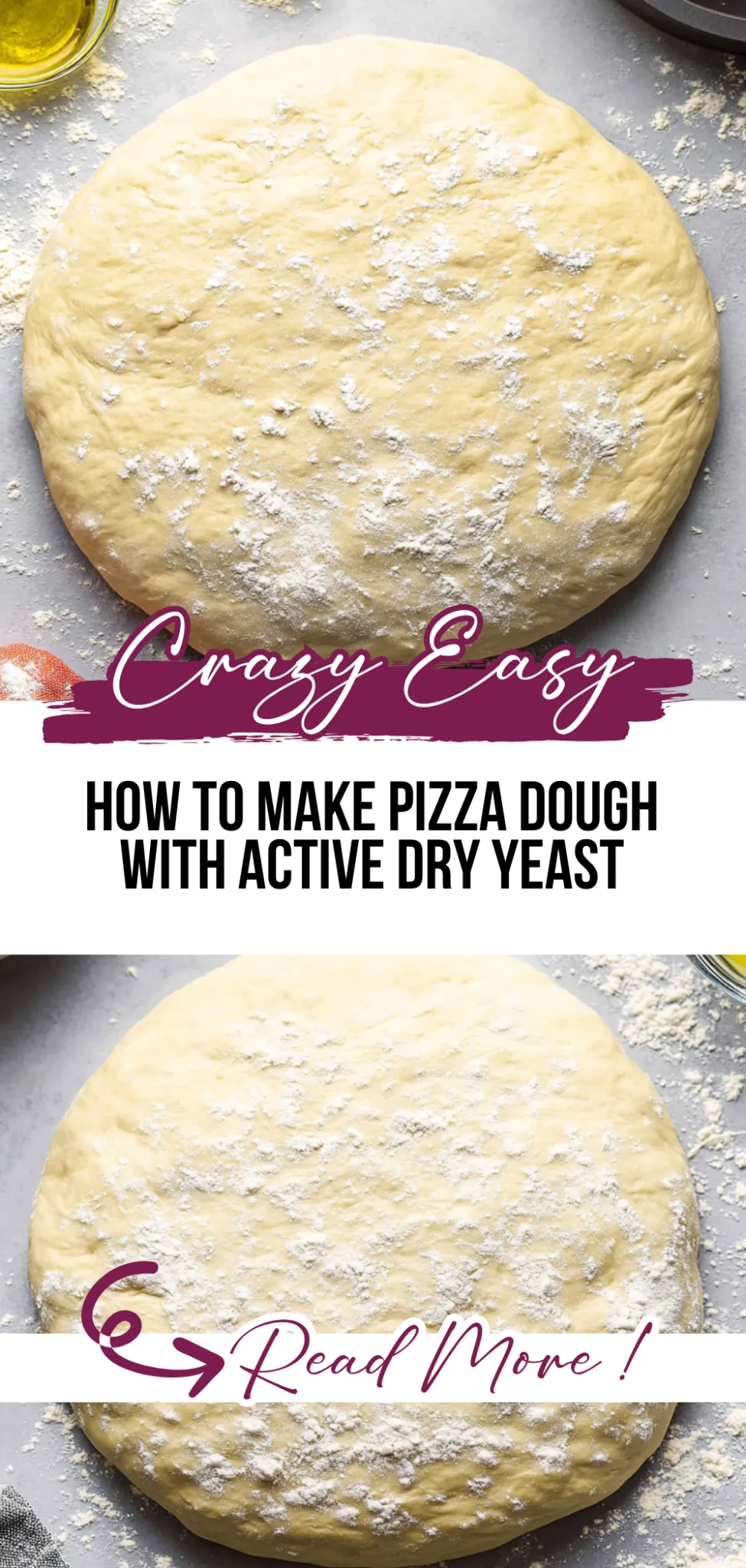
How to Make Pizza Dough with Active Dry Yeast: Easy and C…
Warm, Chewy, and Irresistibly Homemade
I still remember the first time I decided to tackle making my own pizza dough with active dry yeast. It was a cozy Saturday afternoon, and I wanted something fun and delicious to share with my family. The process was surprisingly easy, and the result? A soft, chewy crust that made our homemade pizzas taste like they came straight from a pizzeria.
There’s something magical about the aroma of freshly baked dough wafting through the house—it instantly brings everyone to the kitchen, ready to dive into a culinary adventure. Whether it’s a casual dinner with family or a romantic date night in, this pizza dough is perfect for creating unforgettable moments together. The excitement on everyone’s faces as they top their pizzas just the way they like it is truly priceless.
To make your pizza night even more special, consider pairing this delightful dough with a variety of toppings—think fresh basil, gooey mozzarella, or even spicy pepperoni. Serve it alongside a crisp salad or some garlic knots for an extra treat, and let the fun begin! Trust me, once you discover how to make pizza dough with active dry yeast, you’ll be eager to whip up your own creations again and again.
What are Pizza Dough with Active Dry Yeast?
Pizza Dough with Active Dry Yeast is a foundational recipe in the world of homemade pizzas, characterized by its simple ingredients and straightforward process. This dough combines 2 cups of all-purpose flour with a packet of active dry yeast, sugar, warm water, salt, and olive oil to create a base that is both crispy on the outside and tender on the inside. The warm water helps activate the yeast, resulting in a delightful rise during baking that enhances its texture. Typically cooked in an oven, this pizza dough offers minimal cleanup and effort, making it an ideal choice for anyone looking to whip up a delicious pizza at home. Whether you’re a beginner or an experienced cook, learning how to make pizza dough with active dry yeast will elevate your pizza-making game!
Perfect For:
Family Pizza Night: This pizza dough is easy to make and perfect for involving the whole family. Everyone can customize their own personal pizzas with their favorite toppings, turning dinner into a fun activity!
Budget-Friendly Meals: Making your own pizza dough at home saves you money compared to ordering out. You can enjoy delicious, restaurant-quality pizza without breaking the bank.
Cozy Weekend Evenings: There’s nothing quite like the smell of freshly baked pizza wafting through your home. This dough recipe is ideal for those relaxed nights in when you want comfort food that feels special.
Impressive Date Night: Whip up this homemade pizza dough to impress your partner with a gourmet meal straight from your kitchen. It’s a delightful way to show you care while enjoying a cozy evening together.
How to Make Pizza Dough with Active Dry Yeast Ingredients
For the Dough
- 2 cups all-purpose flour – This forms the base of your pizza, giving it that delightful chewy texture.
- 1 packet active dry yeast (about 2 1/4 teaspoons) – Essential for leavening, allowing your dough to rise and become light and airy.
- 1 teaspoon sugar – Helps activate the yeast, ensuring your dough rises beautifully.
- 3/4 cup warm water (about 110°F (43°C)) – Warm water is crucial for activating the yeast; too hot can kill it!
- 1 teaspoon salt – Enhances flavor and strengthens the dough’s structure.
- 1 tablespoon olive oil – Adds flavor and contributes to a tender crust; you can also use other oils if desired.
Kitchen Equipment You’ll Need
- Small mixing bowl
- Large mixing bowl
- Wooden spoon
- Clean, floured surface
- Plastic wrap
How to Make Pizza Dough with Active Dry Yeast
Step 1:
In a small bowl, combine the warm water, sugar, and active dry yeast. Stir gently and let it sit for about 5-10 minutes until the mixture becomes frothy. This bubbling action indicates that your yeast is active and ready to help your dough rise beautifully.
Step 2:
In a large mixing bowl, combine the all-purpose flour and salt. Make a well in the center of the flour mixture and pour in the yeast mixture along with the olive oil. Using a wooden spoon, mix everything together until you see a shaggy dough starting to form.
Step 3:
Transfer the shaggy dough onto a floured surface. Knead it for about 8-10 minutes until it’s smooth and elastic; this is where you’ll develop that lovely texture. If at any point your dough feels sticky, don’t hesitate to sprinkle a little more flour as needed to keep it manageable.
Step 4:
Once kneaded, place your dough in a lightly oiled bowl and cover it with plastic wrap. Let it rise in a warm place for about 1 hour or until it has doubled in size. This is an exciting stage as you watch your dough come to life!
Step 5:
After the dough has risen, punch it down gently to release any trapped air. Divide it into two equal portions—this recipe yields enough for two delicious pizzas! Shape each portion into a ball and let them rest for about 10 minutes before rolling out; this will make it easier to work with later on.
Tips
- Use the right water temperature: Ensure your warm water is about 110°F (43°C) — too hot can kill the yeast, while too cold will slow down activation, resulting in poor dough rise.
- Don’t skip the sugar: Adding sugar helps activate the yeast, providing it with food to produce carbon dioxide, which is essential for a light and airy pizza crust.
- Knead until smooth: Kneading develops gluten, which gives the dough its structure. A smooth and elastic texture indicates that it’s ready for rising, ensuring a better final product.
- Monitor rising time: If your kitchen is on the cooler side, your dough may need more than an hour to rise. Keep an eye on it and let it double in size for optimal fluffiness.
- Avoid overworking the dough after punching down: After punching down the risen dough, be gentle when shaping. Overworking can deflate it too much and lead to a dense crust.
- Use flour sparingly when rolling out: While dusting your surface with flour is important to prevent sticking, using too much can dry out the dough and affect its texture, so use just enough to keep it manageable.
- Allow resting time after shaping: Letting the shaped dough rest for 10 minutes before rolling makes it easier to stretch without springing back, resulting in a perfectly shaped pizza base.
Optional Ingredients
- Parmesan cheese: Add a sprinkle of grated Parmesan to the dough for a rich, savory flavor that enhances the overall taste. Mix it in with the dry ingredients before adding the wet ones.
- Crushed red pepper flakes: If you enjoy a bit of heat, incorporate crushed red pepper flakes into the dough for a subtle kick. Start with 1/2 teaspoon and adjust according to your spice preference.
- Chopped fresh basil: For a burst of freshness, fold in some chopped fresh basil leaves into the dough. This adds an aromatic touch that pairs beautifully with any toppings you choose.
- Zest of lemon: Brighten up your pizza crust by adding zest from one lemon to the dough. The citrus notes will elevate the flavor profile and add a lovely fragrance.
- Balsamic glaze: Drizzle balsamic glaze over your finished pizza for a sweet and tangy contrast that complements rich toppings. It adds visual appeal and an extra layer of flavor.
What to Pair with Pizza Dough with Active Dry Yeast?
A fresh salad is an ideal companion to your homemade pizza crust, providing a delightful contrast to the warm, doughy texture. Consider a classic arugula salad tossed with a light lemon vinaigrette and shaved Parmesan. The peppery notes of the arugula and the zesty dressing refresh the palate between bites of cheesy pizza, elevating the overall dining experience.
Steamed or roasted vegetables also shine alongside your pizza. Try vibrant bell peppers and zucchini, drizzled with olive oil and seasoned with herbs. Their natural sweetness and tender texture create a lovely balance with the savory flavors of your pizza, adding both color and nutrition to your meal.
If you’re in the mood for something comforting, garlic bread is a perfect match. The buttery, garlicky notes of this side dish complement the rich toppings you might choose for your pizza while echoing its warm, baked essence. This duo becomes a comforting feast that invites family and friends around the table.
Finally, consider pairing your meal with a light sparkling wine or a fruity dessert like panna cotta. The effervescence of the wine cuts through the richness of the cheese, while panna cotta’s creamy texture offers a sweet finish that leaves everyone satisfied. Together, these options round out your homemade pizza experience beautifully, creating a memorable feast that’s sure to impress.
Variations and Substitutions
Whole Wheat Flour instead: Substitute half of the all-purpose flour with whole wheat flour for a nuttier flavor and added fiber. This will give your pizza dough a heartier texture while maintaining its delightful chewiness.
Honey in place of sugar: Use honey instead of sugar to activate the yeast. This not only sweetens the dough naturally but also adds a subtle floral note, enriching the overall flavor profile.
Extra Virgin Olive Oil for flavored oil: Swap regular olive oil for extra virgin olive oil or infused oils (like garlic or chili) to elevate the taste of your dough. This substitution enhances the richness and adds depth, making each bite more flavorful.
Cauliflower Rice instead: For a low-carb option, replace the flour with cauliflower rice. After squeezing out excess moisture, blend it with egg and cheese to create a unique crust that’s both gluten-free and packed with veggies.
Italian Seasoning mix: Add a teaspoon of Italian seasoning or dried herbs (like oregano, basil, or thyme) directly into the flour mixture. This infusion will impart aromatic flavors throughout the dough, complementing any toppings you choose.
Spicy Kick with Red Pepper Flakes: Incorporate red pepper flakes into the dough for those who enjoy a little heat. Just a pinch can transform your crust into a zesty treat, enhancing every bite with a pleasant warmth that pairs beautifully with classic pizza toppings.
Vegan Option with Flaxseed Meal: For a vegan twist, replace olive oil with flaxseed meal mixed with water (1 tablespoon flaxseed meal + 2.5 tablespoons water). This swap binds the dough while adding omega-3 fatty acids and a nutty flavor without compromising on texture.
How to Store
To store your pizza dough in the refrigerator, first make sure it has cooled completely. Place the dough in an airtight container or wrap it tightly in plastic wrap to prevent it from drying out. It can be stored in the fridge for up to 3 days. When you’re ready to use it, simply take it out and let it come to room temperature before rolling it out; if you want a little extra fluffiness, allow it to rise again for about 30 minutes.
This pizza dough freezes well, although the texture may slightly change after thawing. To freeze, divide the dough into portions that fit your pizza size preferences, then wrap each portion tightly in plastic wrap and place them in a freezer-safe bag or container. The dough can be kept frozen for up to 3 months. To thaw, transfer the dough to the fridge overnight or leave it at room temperature for about 2 hours before using; reheat by allowing it to rest for 20-30 minutes after thawing to help restore its elasticity.
Your Questions Answered
Can I use whole wheat flour instead of all-purpose flour for this recipe?
Yes, you can substitute whole wheat flour for all-purpose flour, but keep in mind that whole wheat flour absorbs more water. You may need to add a bit more warm water to achieve the right dough consistency.
What should I do if my yeast doesn’t froth after mixing with warm water?
If your yeast doesn’t froth after 5-10 minutes, it may be inactive. This could be due to using water that is too hot or too cold. Make sure the water is around 110°F (43°C) and try using a new packet of yeast.
Can I make this pizza dough ahead of time and store it?
Absolutely! After kneading the dough, you can refrigerate it for up to 24 hours. Just be sure to let it come to room temperature before rolling it out, and it may need a little extra time to rise.
Is there a way to make this pizza dough vegan-friendly?
Yes, this recipe is nearly vegan as it only contains olive oil. You can simply omit the olive oil if you’re looking for an oil-free version, but it does add flavor and texture, so consider using a different neutral oil if needed.
How do I know when my pizza dough has risen enough?
Your pizza dough is ready when it has doubled in size and feels puffy. If you gently poke the dough with your finger and the indentation remains without springing back, it’s perfect for shaping.
Can I use instant yeast instead of active dry yeast in this recipe?
Yes, you can use instant yeast in place of active dry yeast without needing to proof it first. Just mix it directly with the flour and salt before adding the warm water and olive oil.
How can I ensure my pizza crust is crispy?
To achieve a crispy crust, preheat your oven with a pizza stone or baking sheet inside. Also, avoid overloading your pizza with toppings which can make the crust soggy; less is often more for perfect crispiness!