Biscuit Vegetable Pot Pie Casserole: Cozy Comfort Food De…
Comfort in Every Bite
I first whipped up this Biscuit Vegetable Pot Pie Casserole on a chilly evening when the winds were howling outside, and I craved something warm and hearty. The moment I pulled it from the oven, the golden, flaky biscuit topping and vibrant medley of vegetables filled my kitchen with an irresistible aroma that promised comfort and satisfaction. It was a breeze to make, yet bursting with flavor that made everyone at the table smile.
What makes this dish truly special is how it wraps you in warmth from the first bite. The delightful combination of textures—from the crunchy biscuits to the tender veggies—creates a satisfying experience that’s perfect for cozy family dinners or even a romantic date night. When I serve it, I can’t help but relish the excited reactions as each person dives in, eager for seconds.
To elevate your meal, consider serving this casserole alongside a fresh green salad or some tangy cranberry sauce to balance out the richness. A sprinkle of fresh herbs like parsley or thyme on top adds a lovely touch of color and flavor. Trust me, once you make this Biscuit Vegetable Pot Pie Casserole, it will become a beloved staple in your home, inviting warmth and joy into every gathering.
What are Biscuit Vegetable Pot Pie Casserole?
Biscuit Vegetable Pot Pie Casserole is a delightful and hearty dish that combines a rich medley of mixed vegetables, including carrots, peas, corn, and diced potatoes, all enveloped in a flavorful onion and garlic sauté. The casserole is topped with a flaky biscuit dough that bakes to golden perfection, providing a crispy outside while remaining tender and buttery inside. This comforting meal is cooked in the oven, allowing the flavors to meld beautifully while keeping cleanup simple with just one pan. Perfect for family gatherings or cozy nights in, this dish offers both ease and satisfaction in every bite.
Perfect For:
Cozy Family Dinners: This Biscuit Vegetable Pot Pie Casserole is the ultimate comfort food, bringing everyone together for a warm and satisfying meal that feels like a big hug on a plate.
Budget-Friendly Feasts: Packed with nutritious vegetables and topped with flaky biscuits, this casserole creates a hearty meal without breaking the bank, making it perfect for those looking to save while still enjoying delicious home-cooked food.
Easy Weeknight Meals: With minimal prep time and a simple cooking process, this dish is a fantastic solution for busy weeknights when you need to get dinner on the table quickly without sacrificing flavor.
Crowd-Pleasing Gatherings: Whether it’s a family gathering or a potluck, this casserole can easily be scaled up to feed a crowd, ensuring that everyone leaves satisfied and raving about your cooking!
Biscuit Vegetable Pot Pie Casserole Ingredients
For the Vegetable Filling
- 2 cups Mixed Vegetables (carrots, peas, corn, diced) – A colorful mix that adds nutrition and flavor to your casserole.
- 1 cup Potato (diced) – Provides a hearty base and creamy texture when baked.
- 1 cup Onion (chopped) – Enhances the overall flavor with its sweet and savory notes.
- 2 cloves Garlic (minced) – Brings a delightful aroma and depth of flavor to the filling.
- 1 tablespoon Olive Oil (for sautéing) – Helps to cook the vegetables evenly while adding a light richness.
- 1 cup Vegetable Broth (low sodium) – Keeps the filling moist while infusing it with savory goodness.
- 1 tablespoon All-Purpose Flour (for thickening) – Helps bind the filling together for a satisfying texture.
- 1 teaspoon Thyme (dried) – Adds a warm, earthy flavor that complements the vegetables beautifully.
- 1 teaspoon Salt (to taste) – Enhances all the flavors in your Biscuit Vegetable Pot Pie Casserole.
- 1/2 teaspoon Black Pepper (to taste) – Adds just the right amount of warmth and spice.
For the Biscuit Topping
- 2 cups Bisquick Mix (or similar baking mix) – Forms a light and flaky topping that contrasts wonderfully with the filling.
- 2/3 cup Milk (or plant-based milk) – Moistens the biscuit dough for perfect fluffiness.
- 1 tablespoon Baking Powder (for fluffiness) – Ensures your biscuits rise nicely during baking for a light texture.
- 1/2 teaspoon Salt (to taste) – Balances sweetness with a touch of savory in your biscuit topping.
Kitchen Equipment You’ll Need

- Large non-stick or cast-iron skillet
- Sharp knife and cutting board
- Mixing bowl
- Measuring cups
- Measuring spoons
- Casserole dish
- Oven mitts
How to Make Biscuit Vegetable Pot Pie Casserole
Step 1:
Preheat your oven to 400°F (200°C). This ensures that the casserole gets a nice, even bake that will leave the biscuit topping perfectly golden brown and flaky.
Step 2:
In a skillet, heat olive oil over medium heat. Once hot, add the chopped onions and minced garlic, sautéing them until they become translucent and fragrant—this typically takes about 2-3 minutes.
Step 3:
Now it’s time to add the mixed vegetables and diced potatoes to the skillet. Cook this mixture for about 5-7 minutes until the vegetables are slightly tender. You want to see vibrant colors and a bit of softening without losing their crunch.
Step 4:
Sprinkle flour over the sautéed vegetables, stirring to coat them evenly. Then pour in the vegetable broth along with thyme, salt, and black pepper. Bring everything to a simmer and cook until it thickens up nicely—this should take around 5 minutes.
Step 5:
Transfer the thickened vegetable mixture into your casserole dish. Spread it out evenly so every bite will have a delicious medley of flavors.
Step 6:
In a mixing bowl, combine the Bisquick mix, baking powder, and salt. This blend will create a tasty biscuit topping that complements the veggie filling perfectly.
Step 7:
Gently stir in the milk until just combined; be careful not to overmix. You want a lumpy batter for those fluffy biscuits that rise beautifully on top of your casserole.
Step 8:
Drop spoonfuls of the biscuit mixture over the vegetable filling in the casserole dish. Don’t worry about making it perfect; those rustic dollops will bake up into delightful puffs!
Step 9:
Place your casserole in the preheated oven and bake for 20-25 minutes. Keep an eye out for a golden brown topping that signals it’s ready to come out!
Step 10:
Once baked, let your casserole cool for a few minutes before serving. This allows everything to set slightly and makes it easier to scoop out those hearty portions!
Tips
- Use fresh vegetables: Fresh carrots, peas, and corn not only enhance the flavor but also add vibrant color and texture to your dish. This makes each bite more appealing and nutritious.
- Sauté vegetables properly: Sautéing onions and garlic until translucent is crucial for building a flavorful base. This step allows the natural sugars to caramelize, which adds depth to the entire filling.
- Don’t skip the flour: Sprinkling flour over the vegetables before adding broth helps thicken the mixture effectively. This results in a creamy filling that perfectly complements the biscuit topping.
- Monitor baking time closely: Keep an eye on your casserole in the oven; baking for too long can dry out the biscuit topping. Aim for that golden brown color to ensure a deliciously flaky texture.
- Let it cool before serving: Allowing the casserole to sit for a few minutes after baking helps it set up nicely. This prevents the filling from being too runny when you serve it, ensuring perfect portions every time.
- Experiment with herbs: While thyme adds great flavor, don’t hesitate to mix in other herbs like rosemary or parsley. This can elevate the entire dish and make it more personalized to your taste.
Optional Ingredients
- Cheddar Cheese: Stir in 1 cup of shredded cheddar cheese for a rich, creamy flavor that melts beautifully over the casserole, adding a delightful cheesy pull with every serving.
- Red Pepper Flakes: Add a pinch of red pepper flakes to the vegetable filling for a subtle kick of heat that elevates the dish without overwhelming the other flavors.
- Mushrooms: Incorporate 1 cup of sliced mushrooms for an earthy taste and meaty texture that enhances the overall heartiness of the casserole.
- Lemon Zest: Grate some lemon zest over the finished casserole to bring a bright, citrusy note that cuts through the richness and adds a refreshing contrast.
- Balsamic Glaze: Drizzle balsamic glaze on top before serving for a sweet-tart finish that complements the savory vegetables beautifully.
What to Pair with Biscuit Vegetable Pot Pie Casserole?
To complement the hearty flavors of your Biscuit Vegetable Pot Pie Casserole, consider serving a fresh salad as a light starter. A crisp arugula salad tossed with lemon vinaigrette and topped with shaved Parmesan adds a refreshing contrast to the rich and creamy casserole. The peppery notes of arugula cut through the dish’s comforting texture, while the tartness of lemon brightens the overall meal.
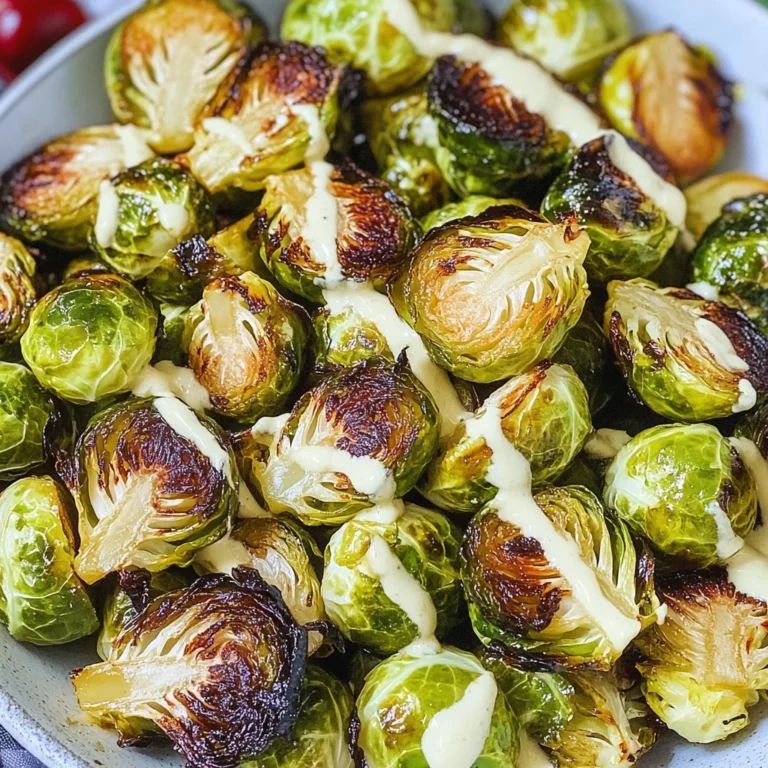
Another fantastic pairing is a side of roasted seasonal vegetables, such as Brussels sprouts and sweet potatoes. The natural sweetness of roasted sweet potatoes provides an excellent balance to the savory filling, while the crispy edges of Brussels sprouts add an appealing crunch. This combination enhances the earthy undertones in the casserole, making each bite feel complete and satisfying.
For a truly comforting experience, you might want to serve some fluffy mashed potatoes alongside your pot pie casserole. The creamy texture of mashed potatoes beautifully complements the flaky biscuit topping, creating a delightful medley of flavors and textures on your plate. Adding a hint of garlic or chives to the mash can also echo the aromatic elements in your casserole, tying everything together seamlessly.
Finally, consider pairing your meal with a glass of chilled Sauvignon Blanc or sparkling water infused with citrus slices. The wine’s bright acidity refreshes the palate after each savory bite, enhancing the overall dining experience. Alternatively, for something sweeter, a warm slice of apple pie can serve as a delightful dessert that echoes the comforting home-cooked essence of your casserole, leaving everyone with a sense of warmth and fulfillment at the end of the meal.
Variations and Substitutions
Chickpeas for protein: Swap out some or all of the mixed vegetables for canned or cooked chickpeas to add a hearty protein boost. This change not only enhances the texture but also infuses the casserole with a nutty flavor, making it even more filling and nutritious.
Sweet potatoes instead: Use sweet potatoes in place of regular potatoes for a slightly sweet and earthy flavor twist. They caramelize beautifully when pan-fried and lend a vibrant color to the dish, creating a delightful contrast to the savory filling.
Cauliflower rice: Replace traditional diced potatoes with cauliflower rice for a low-carb option. This swap provides a light, fluffy texture while absorbing the flavors of the broth, making it an excellent choice for those following a ketogenic or low-carb diet.
Mediterranean flair: Incorporate sun-dried tomatoes, olives, and feta cheese into the vegetable filling for a Mediterranean-inspired version. These additions bring a burst of tangy flavor and richness that elevates the entire dish to new culinary heights.
Creamy sauce variation: For a richer filling, stir in half a cup of cream cheese or sour cream after thickening with flour. This addition creates a velvety texture that envelops the vegetables, making each bite indulgently creamy and satisfying.
Spicy kick: Add diced jalapeños or crushed red pepper flakes to the vegetable mixture for those who enjoy some heat. This fiery twist will awaken your taste buds and add an exciting layer of complexity without overpowering the other flavors.
Herb-infused biscuit topping: Experiment by mixing fresh herbs like rosemary or basil into your biscuit dough instead of just salt. This simple adjustment will impart aromatic notes and enhance the overall flavor profile of your casserole, making each bite feel fresh and vibrant.
Gluten-free option: Substitute Bisquick with gluten-free baking mix to create a gluten-free version of this comforting dish. Pair it with almond milk or coconut milk for the biscuit topping, ensuring everyone can enjoy this hearty meal without dietary restrictions getting in the way.
To store your Biscuit Vegetable Pot Pie Casserole in the refrigerator, allow it to cool completely before transferring it to an airtight container. It will keep well in the fridge for about 3 to 4 days. When you’re ready to enjoy it again, simply reheat portions in the microwave or in a preheated oven at 350°F (175°C) until heated through, adding a splash of vegetable broth if needed to restore moisture and texture.
This casserole does freeze well, but be aware that the potatoes may soften upon thawing. To freeze, portion the casserole into freezer-safe containers or wrap individual servings tightly in plastic wrap followed by aluminum foil. It can be kept frozen for up to 2 to 3 months. Thaw overnight in the refrigerator before reheating in the oven or microwave, keeping in mind that you might need to add a little liquid to maintain its creamy consistency.
Frequently Asked Questions
Can I use frozen vegetables instead of fresh ones for the filling?
Yes, you can absolutely use frozen vegetables in this recipe. Just make sure to thaw and drain them before adding to the casserole to avoid excess moisture, which can affect the texture of your filling.
How can I make this casserole gluten-free?
To make this Biscuit Vegetable Pot Pie Casserole gluten-free, substitute the Bisquick mix with a gluten-free baking mix. Additionally, use a gluten-free all-purpose flour for thickening the vegetable filling instead of regular flour.
Do I need to cook the potatoes before adding them to the casserole?
No, there’s no need to pre-cook the potatoes. Dicing them small allows them to cook through while baking in the casserole, making them tender and flavorful by the time it’s ready to serve.
Can I prep the filling ahead of time?
Yes, you can prepare the vegetable filling in advance. Simply sauté and assemble it in your casserole dish, then cover and refrigerate until you’re ready to bake. Just add a few extra minutes to the baking time if it’s coming straight from the fridge.
What can I use if I don’t have thyme on hand?
If you don’t have thyme, you can substitute it with dried oregano or Italian seasoning for a similar flavor profile. Adjust the amount according to your taste preference since these herbs have slightly different intensities.
How do I know when the biscuit topping is done?
The biscuit topping is done when it turns golden brown on top and feels firm to the touch. If you’re unsure, inserting a toothpick into one of the biscuits should come out clean without any wet batter sticking to it.
Can I use a different type of milk for the biscuit topping?
Absolutely! You can use any plant-based milk like almond milk or soy milk if you prefer a dairy-free option. The key is to ensure that whatever milk you choose maintains a similar consistency for proper biscuit texture.