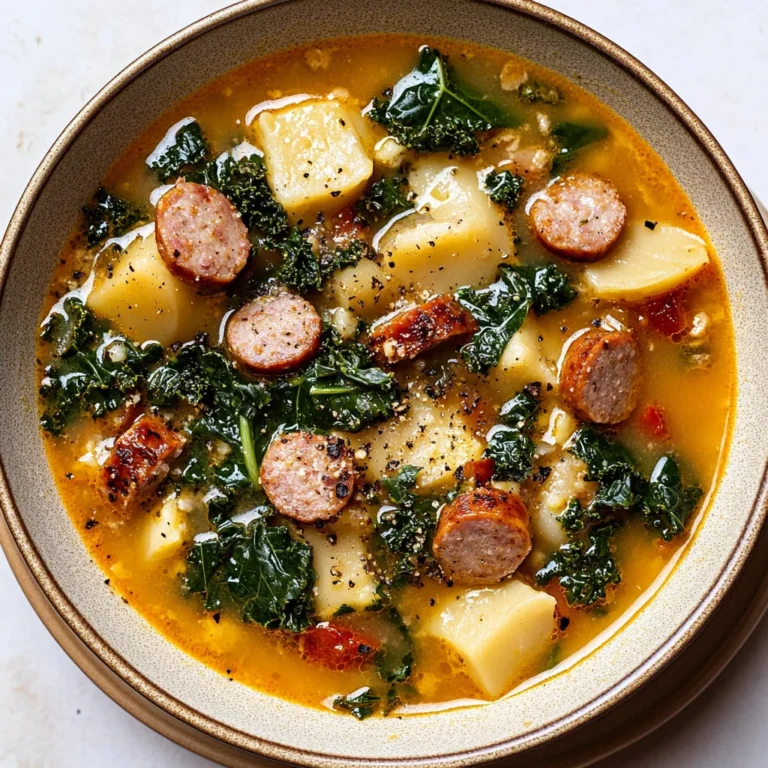
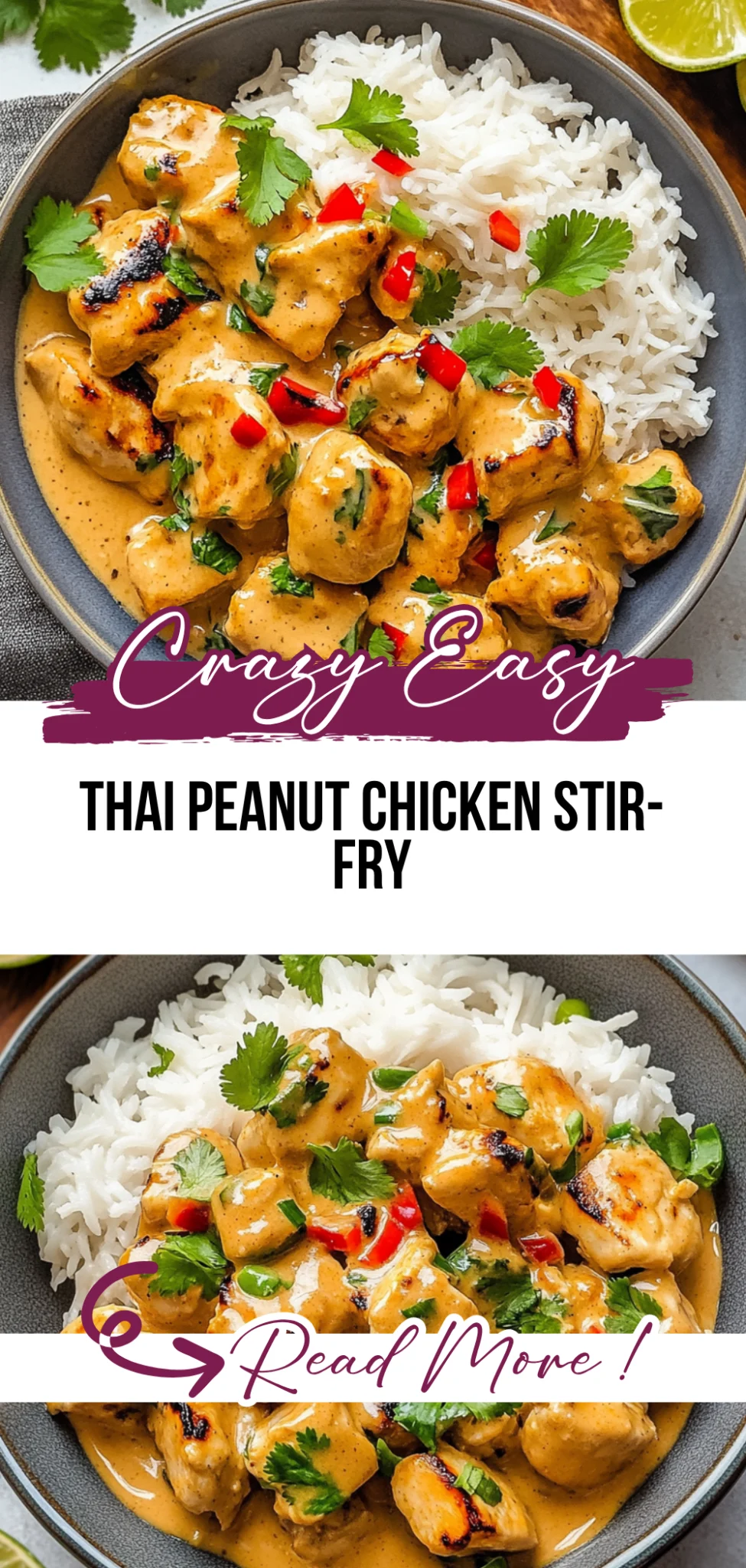
Thai Peanut Chicken: Creamy and Comforting Delight
Creamy, Dreamy, and Totally Irresistible
There’s something truly magical about the first time you whip up a dish that leaves the whole house smelling heavenly. I remember the evening I decided to make Thai Peanut Chicken — it was a last-minute decision that turned out to be a delightful surprise. The creamy texture of the peanut sauce enveloping tender chicken was not just flavorful; it was pure comfort on a plate.
As the aroma filled the air, my family gathered around, drawn in by the rich, nutty scent that promised something special. This dish is perfect for cozy weeknights or an intimate date night, as it brings everyone together with its warm embrace and satisfying flavors. The smiles and compliments that followed were priceless, making it clear that this recipe is a keeper!
To elevate your meal even further, serve this Thai Peanut Chicken over a bed of fluffy jasmine rice, and don’t forget to add some crisp veggies like bell peppers or snap peas for a pop of color and crunch. A sprinkle of crushed peanuts and fresh cilantro on top will make it feel extra special. Trust me, once you taste this dish, you’ll be eager to share it with everyone you love!
What are Thai Peanut Chicken?
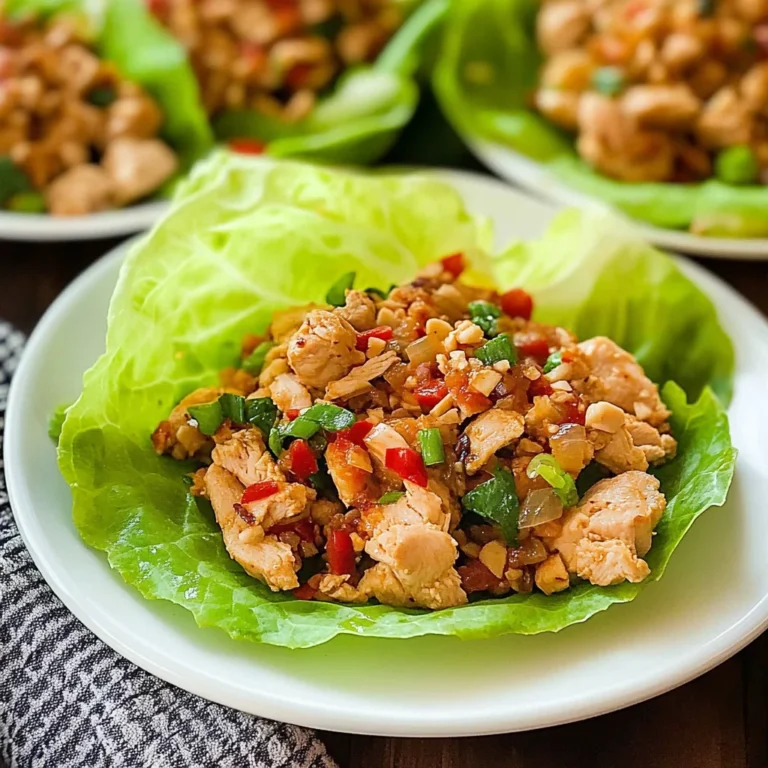
Thai Peanut Chicken is a wonderfully flavorful dish that showcases tender, bite-sized pieces of boneless, skinless chicken breasts marinated in a zesty mix of low-sodium soy sauce and freshly squeezed lime juice. The highlight of this recipe is the rich and creamy peanut sauce, made with creamy peanut butter, coconut milk, brown sugar, garlic, and ginger, which brings a delightful sweetness and depth to each bite. Typically cooked in a skillet for a quick and easy meal, this dish offers a satisfying combination of textures—from the juicy chicken to the crunchy vegetables like bell peppers, broccoli, and carrots. With minimal effort required for preparation and cleanup, Thai Peanut Chicken is perfect for busy weeknights when you crave something comforting yet exotic.
Perfect For:
Busy Weeknights: Whip up this Thai Peanut Chicken in just 30 minutes, making it a perfect go-to for nights when you need something quick yet satisfying.
Family Dinners: This dish is sure to please everyone at the table, with its creamy peanut sauce and colorful veggies that appeal to both kids and adults alike.
Cozy Nights In: Serve this comforting meal when you’re craving something warm and hearty—it’s like a hug in a bowl on chilly evenings.
Date Night Delight: Impress your significant other with this exotic dish that looks as good as it tastes, setting the stage for a romantic night in without the fuss of dining out.
Thai Peanut Chicken Ingredients
For the Chicken and Marinade
- 1 lb boneless, skinless chicken breasts (cut into bite-sized pieces) – This tender chicken is the perfect canvas for the rich flavors of the sauce.
- 2 tbsp soy sauce (low sodium preferred) – Adds a savory depth without too much saltiness, enhancing the overall flavor.
- 1 tbsp lime juice (freshly squeezed) – Fresh lime juice brightens the dish and balances the richness of the peanut sauce.
- 1 tbsp vegetable oil – Helps to sauté the chicken evenly and keep it moist during cooking.
For the Peanut Sauce
- 1/2 cup creamy peanut butter – The star of this dish, it provides creaminess and a nutty flavor that defines Thai Peanut Chicken.
- 1/4 cup coconut milk (canned) – Adds a luscious texture and tropical sweetness that complements the peanut butter beautifully.
- 2 tbsp soy sauce (low sodium) – Enhances umami flavor while keeping it heart-healthy with lower sodium content.
- 1 tbsp brown sugar – Balances the savory elements with a hint of sweetness, creating a well-rounded sauce.
- 1 tbsp lime juice (freshly squeezed) – A second splash of lime juice brings freshness and acidity to lift all flavors.
- 1 clove garlic (minced) – Infuses aromatic goodness into the sauce, making every bite flavorful.
- 1 tsp ginger (freshly grated) – Adds a zesty warmth that pairs wonderfully with peanut flavors.
- 1 tbsp water (to thin sauce if needed) – Adjusts sauce consistency to your preference without diluting flavor.
For the Vegetables
- 1 cup bell pepper (sliced) – Offers vibrant color and crunch, making your dish visually appealing and nutritious.
- 1 cup broccoli florets – Provides a healthy bite and absorbs flavors from the sauce beautifully.
- 1 cup carrots (sliced) – Adds natural sweetness and a satisfying crunch to balance out the creaminess of the dish.
For Serving
- 2 cups cooked jasmine rice – Fluffy rice is ideal for soaking up that delicious peanut sauce and makes for a hearty meal.
Kitchen Equipment You’ll Need
- Mixing bowl
- Whisk
- Large non-stick skillet
- Tongs or a spatula
- Sharp knife and cutting board
- Measuring cups and spoons
Step-by-Step Instructions
Step 1:
In a bowl, combine the bite-sized pieces of boneless, skinless chicken breasts with the low sodium soy sauce, freshly squeezed lime juice, and vegetable oil. Mix everything well to ensure the chicken is evenly coated. Let it marinate for about 15 minutes; this will infuse the chicken with flavor and tenderness.
Step 2:
While the chicken is marinating, grab a separate bowl to prepare the peanut sauce. Whisk together the creamy peanut butter, canned coconut milk, low sodium soy sauce, brown sugar, lime juice, minced garlic, and freshly grated ginger until smooth and creamy. If the sauce feels too thick, add a tablespoon of water to thin it out to your desired consistency.
Step 3:
After your chicken has marinated, heat a skillet over medium heat. Add the marinated chicken to the hot skillet and cook for about 5-7 minutes. Keep an eye on it as you stir occasionally; you’re looking for it to be nicely browned and cooked through.
Step 4:
Once your chicken is golden brown and cooked thoroughly, it’s time to add in the sliced bell pepper, broccoli florets, and sliced carrots. Stir-fry these vibrant vegetables for another 5 minutes until they are tender-crisp. You want them to retain some crunch for that perfect texture!
Step 5:
Now it’s time to bring everything together! Pour the prepared peanut sauce over the chicken and vegetables in the skillet. Stir everything well to coat all the ingredients evenly in that rich and creamy sauce. Allow it to cook for an additional 2-3 minutes until heated through and everything is harmoniously combined.
Step 6:
Finally, serve your Thai peanut chicken generously over cooked jasmine rice. The rice will soak up all those delicious flavors from the dish! Enjoy every comforting bite!
Tips
- Cut chicken evenly: Ensure that your chicken pieces are uniformly sized for even cooking. This helps them cook through at the same rate, preventing some pieces from being overdone while others remain undercooked.
- Use fresh lime juice: Freshly squeezed lime juice adds a bright, zesty flavor that enhances the overall taste of the dish. Bottled lime juice can be less vibrant and might not provide the same level of acidity.
- Watch for the right doneness: Chicken should reach an internal temperature of 165°F (75°C) for safe consumption. Using a meat thermometer can help prevent overcooking, ensuring your chicken remains juicy and tender.
- Don’t overcrowd the skillet: Cooking too many pieces of chicken at once can trap steam and prevent browning. Give each piece enough space in the skillet to achieve that delicious caramelization, which enhances flavor and texture.
- Adjust sauce consistency as needed: If your peanut sauce is too thick after combining it with the chicken and vegetables, add a little more water to reach your desired consistency. A well-balanced sauce clings beautifully to everything without overwhelming the dish.
- Add vegetables at the right time: Introduce vegetables after the chicken is almost cooked through to maintain their crunchiness. This ensures they stay tender-crisp and vibrant, adding both texture and color to your meal.
- Serve immediately over rice: For the best experience, serve this dish right away over freshly cooked jasmine rice. The warm rice absorbs the rich peanut sauce, creating a delightful combination that’s sure to impress.
Optional Ingredients
- Crushed peanuts: Add a delightful crunch and nutty flavor by sprinkling crushed peanuts on top just before serving. This will enhance the overall texture of your dish.
- Sriracha sauce: For those who crave a spicy kick, drizzle Sriracha over your Thai Peanut Chicken to introduce heat and depth of flavor, taking the dish to new heights.
- Snap peas: Slice fresh snap peas and toss them in for a pop of color and crispness. Their sweet, earthy taste complements the richness of the peanut sauce beautifully.
- Cilantro: Chopped fresh cilantro adds a burst of brightness and herbal notes that elevate the dish’s flavor profile. Scatter it on top right before serving for an aromatic touch.
- Sesame oil: Drizzle a little toasted sesame oil over the finished dish for an added layer of richness and a hint of nuttiness that pairs wonderfully with the peanut sauce.
What to Pair with Thai Peanut Chicken?
To start your meal on a fresh note, consider serving a vibrant cucumber salad. The crunch of thinly sliced cucumbers, tossed with a light dressing of rice vinegar and sesame oil, provides a refreshing contrast to the rich, creamy peanut sauce. The acidity from the vinegar will also enhance the dish’s flavors, balancing the sweetness of the brown sugar in the sauce and elevating your dining experience.
For a heartier side, steamed or roasted asparagus makes an excellent companion. Its earthy flavor complements the nutty notes of the peanut sauce while offering a satisfying texture that contrasts beautifully with the tender chicken. Drizzle a little lime juice over the asparagus before serving to tie in that bright citrus element found in your main dish, creating a cohesive meal.
If you’re in the mood for comfort, jasmine rice is an obvious choice, but why not elevate it with some coconut rice? Cooking jasmine rice in coconut milk adds a subtle sweetness and creaminess that pairs perfectly with your Thai-inspired chicken. This addition not only enhances the overall flavor profile but also brings out the richness of the peanut sauce, ensuring each bite is full and complete.
Finally, for a drink pairing that maintains harmony with your meal, try serving chilled Thai iced tea. Its creamy texture and hint of spice will balance out the savory elements of your dish while providing a delightful contrast to the sweetness of the peanut sauce. Alternatively, you could indulge in coconut sorbet for dessert; its lightness and tropical flavor will cleanse your palate beautifully after enjoying this deliciously rich dish.
Variations and Substitutions
Tofu instead of Chicken: For a vegetarian twist, substitute the chicken with firm tofu cut into bite-sized cubes. Marinate the tofu in the same soy sauce and lime juice mixture for added flavor, then sauté until golden brown. This adds a delightful texture and allows the peanut sauce to cling beautifully.
Shrimp for a Seafood Option: Swap out the chicken for shrimp for a quick-cooking seafood alternative. Simply marinate peeled and deveined shrimp in the same marinade and sauté them for about 3–4 minutes until they turn pink. The shrimp will absorb the flavors of the peanut sauce while adding a lovely sweetness to the dish.
Quinoa in place of Rice: Instead of jasmine rice, serve your Thai peanut chicken over fluffy quinoa for a protein-packed alternative. Quinoa’s nutty flavor complements the rich peanut sauce perfectly while keeping the dish gluten-free and adding an extra layer of texture.
Zucchini Noodles as a Low-Carb Base: For a low-carb option, replace jasmine rice with spiralized zucchini noodles, also known as zoodles. Lightly sauté them in the skillet before adding the chicken and vegetables for a fresh, light base that pairs well with the creamy peanut sauce.
Coconut Cream for Extra Richness: For an even creamier peanut sauce, consider using coconut cream instead of coconut milk. This swap will create an ultra-rich sauce that enhances the tropical notes while making every bite decadently smooth.
Add Sriracha for Heat: If you’re craving some spice, stir in Sriracha or your favorite hot sauce into the peanut sauce. Start with a teaspoon and adjust to your desired heat level; this will add a fiery kick that contrasts beautifully with the creamy texture of the sauce.
Cauliflower Rice as a Grain-Free Alternative: For those avoiding grains, serve your Thai peanut chicken over cauliflower rice. Simply pulse cauliflower florets in a food processor until rice-sized, then lightly sauté it before serving. This swap provides a light, veggie-packed base that complements all the flavors without added carbs.
To store your Thai Peanut Chicken in the refrigerator, allow it to cool completely before transferring it into an airtight container. This dish will keep well for up to 3 days. When reheating, use a microwave or stovetop over low heat, adding a splash of water or coconut milk to help restore the creamy texture of the peanut sauce.
This dish does freeze well, but be aware that the vegetables may lose some crispness upon thawing. To freeze, portion the chicken and sauce into freezer-safe containers or resealable bags, removing as much air as possible to prevent freezer burn. It can be stored for up to 2 months; when ready to enjoy, thaw it in the refrigerator overnight before reheating on the stove or microwave for best results.
FAQ
Can I use chicken thighs instead of chicken breasts for this recipe?
Absolutely! Chicken thighs can add more flavor and moisture to the dish. Just ensure they are boneless and skinless for even cooking and to maintain the recipe’s intended texture.
What can I substitute for soy sauce if I need a gluten-free option?
You can use tamari as a gluten-free alternative to soy sauce. It has a similar flavor profile and will work perfectly in the marinade and peanut sauce.
How do I keep the chicken tender when cooking it?
To keep the chicken tender, avoid overcooking it, which can lead to dryness. Cook it just until it’s no longer pink in the center, about 5-7 minutes, and let it rest for a few minutes before serving.
Can I prepare the peanut sauce in advance?
Yes, you can make the peanut sauce ahead of time! Store it in an airtight container in the refrigerator for up to a week. Just give it a good stir or whisk before using, as it may thicken while stored.
How spicy is this Thai Peanut Chicken recipe?
This recipe is not spicy at all since it doesn’t include hot peppers or chili paste. If you prefer some heat, consider adding red pepper flakes or a dash of sriracha to the peanut sauce.
Can I use frozen vegetables instead of fresh ones?
Yes, frozen vegetables are a convenient alternative and will work well in this dish. Just add them directly to the skillet without thawing; they may take an extra minute or two to cook through.
Is jasmine rice necessary, or can I use another type of rice?
While jasmine rice complements the flavors beautifully, you can certainly use other types like basmati or brown rice. Just be mindful of cooking times as they may vary slightly between different rice varieties.