Garlic Herb Dutch Oven Bread Recipe You’ll Love Today!
Warm, Crusty, and Irresistibly Aromatic
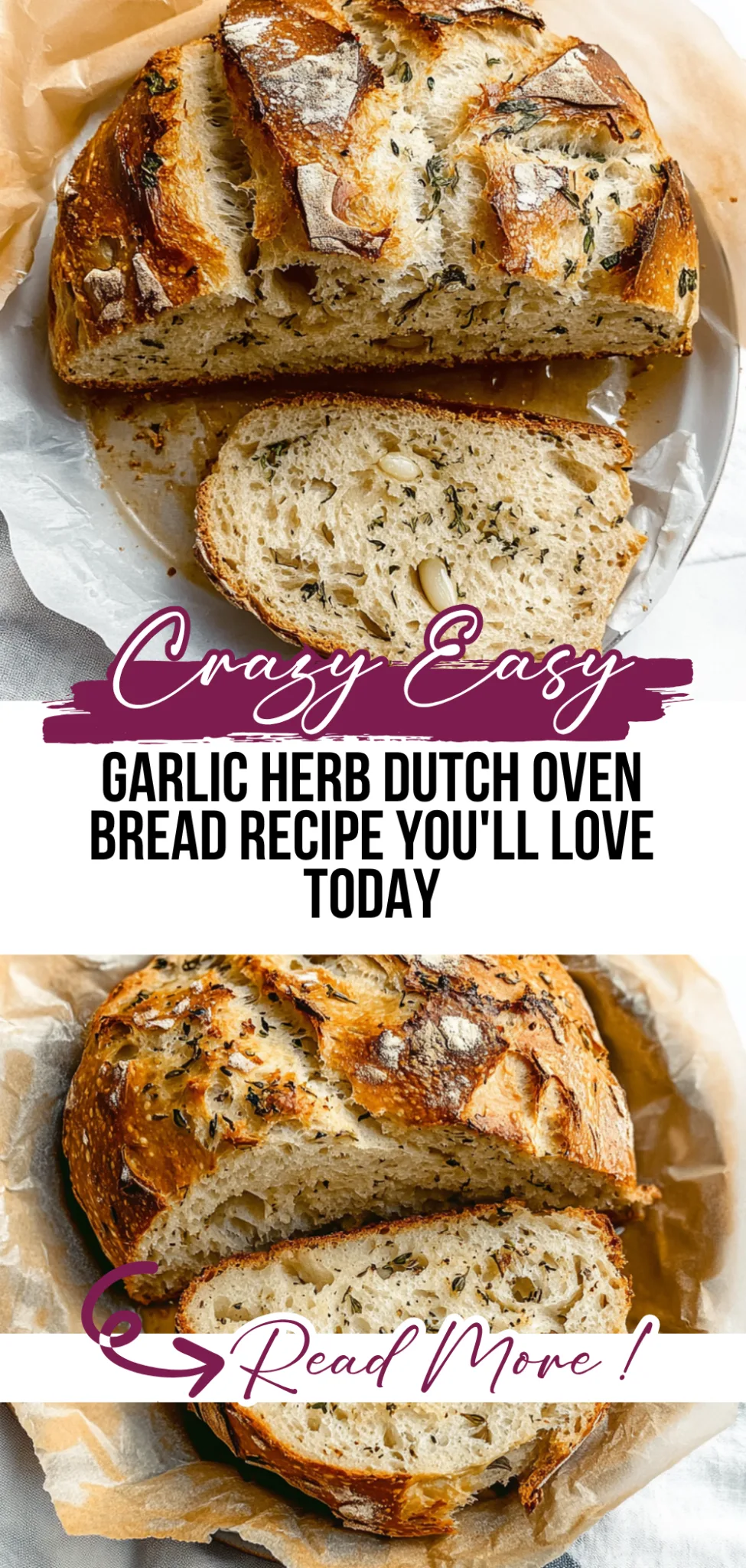
There’s something magical about the first time you pull a loaf of Garlic Herb Dutch Oven Bread out of the oven. I remember making it on a chilly Sunday afternoon, and the aroma of garlic and fresh herbs filled my kitchen like a warm hug. The crispy crust and tender inside made it so easy to devour, leaving my family begging for more.
What truly sets this bread apart is the delightful scent that wafts through your home as it bakes, enticing everyone to gather around. It’s perfect for cozy dinners with loved ones or even an intimate date night at home. The reactions are priceless—everyone is captivated by the golden crust and can’t wait to dig in.
Enjoy this beautiful bread alongside a hearty soup or a simple salad, or slather it with creamy butter for that extra touch of indulgence. Trust me, once you make this Garlic Herb Dutch Oven Bread Recipe You’ll Love Today!, you’ll find yourself baking it over and over again, each time bringing warmth and joy to your table!
What are Garlic Herb Dutch Oven Bread?
Garlic Herb Dutch Oven Bread is a delightful artisan-style bread that’s both simple to make and incredibly satisfying to eat. This recipe combines 3 cups of all-purpose flour with warm water, active dry yeast, and a pinch of salt, creating a beautifully crusty loaf that’s infused with the aromatic flavors of minced garlic, fresh rosemary, and thyme. The result is a crispy exterior that gives way to a tender, flavorful interior, making it perfect for accompanying any meal. Baked in a dutch oven, this method ensures even cooking and retains moisture, leading to minimal cleanup and effort on your part—making this Garlic Herb Dutch Oven Bread Recipe You’ll Love Today! a must-try for any home baker.
Perfect For:
Cozy Nights In: There’s nothing quite like the comforting aroma of freshly baked bread filling your home, making it the perfect companion for a cozy evening with loved ones.
Feeding a Crowd: This Garlic Herb Dutch Oven Bread is easily scalable, allowing you to whip up multiple loaves to share at gatherings or family dinners, ensuring everyone leaves happy and satisfied.
Budget-Friendly Indulgence: Enjoy gourmet flavor without breaking the bank—this recipe brings restaurant-quality garlic herb bread right into your kitchen, elevating any meal without a hefty price tag.
Impressive Dinner Parties: Serve this stunning loaf alongside your favorite dishes for an impressive touch that will leave your guests raving about your culinary skills long after the meal is over.
Garlic Herb Dutch Oven Bread Recipe You’ll Love Today! Ingredients
For the Dough
- 3 cups all-purpose flour (plus extra for dusting) – This provides structure and a lovely crust; dust additional flour as needed to prevent sticking.
- 1 cup warm water (about 110°F) – Warm water activates the yeast, ensuring a perfect rise in your Garlic Herb Dutch Oven Bread Recipe You’ll Love Today!
- 2 teaspoons active dry yeast – This is the leavening agent that makes your bread light and airy.
- 1 teaspoon salt – Salt enhances flavor and controls yeast activity for a balanced dough.
- 2 tablespoons olive oil – Adds moisture and richness to your bread, contributing to a tender crumb.
For the Flavor
- 4 cloves garlic (minced) – Fresh garlic infuses an irresistible aroma and flavor throughout the loaf.
- 2 tablespoons fresh rosemary (chopped) – Rosemary adds a fragrant, earthy note that pairs beautifully with garlic.
- 2 tablespoons fresh thyme (chopped) – Thyme complements the other herbs, creating a harmonious blend of flavors in every bite.
Kitchen Equipment You’ll Need
- Mixing bowl
- Measuring cups
- Measuring spoons
- Rolling pin or clean surface for kneading
- Kitchen towel
- Dutch oven
- Wire rack
How to Make Garlic Herb Dutch Oven Bread
Step 1:
In a mixing bowl, start by combining your warm water and active dry yeast. Let this mixture sit for about 5 minutes until it becomes frothy, which means the yeast is activated and ready to work its magic in your bread.
Step 2:
Next, add in the all-purpose flour, salt, olive oil, minced garlic, chopped rosemary, and chopped thyme to the yeast mixture. Stir everything together until a shaggy dough forms; you want it to come together but don’t worry if it looks a bit messy at this stage.
Step 3:
Now it’s time to knead! Turn the dough out onto a floured surface and knead it for about 5 minutes. You’re aiming for a smooth and elastic consistency—this is when you know your dough is ready to rise.
Step 4:
Once your dough is nice and smooth, place it in a greased bowl. Cover it with a kitchen towel and let it rise in a warm place for about an hour or until it’s doubled in size. This is where the magic happens!
Step 5:
While your dough is rising, preheat your oven to 450°F (230°C) with your Dutch oven inside. This ensures that your Dutch oven is hot when you’re ready to bake, giving your bread that perfect crust.
Step 6:
After the dough has risen beautifully, punch it down gently to release any air bubbles. Shape it into a round loaf carefully; this will help create that lovely crust when baked.
Step 7:
Now for some excitement! Carefully remove the hot Dutch oven from the oven and place your shaped dough inside it. Cover it with the lid and bake for 30 minutes—this will help steam the bread as it bakes.
Step 8:
After 30 minutes, remove the lid from your Dutch oven and let the bread bake uncovered for an additional 15 minutes. This will give you that gorgeous golden brown crust we all crave.
Step 9:
Once done, take the bread out of the oven and let it cool on a wire rack before slicing into it. The aroma will be irresistible—enjoy every bite of your homemade garlic herb bread!
Tips
- Use fresh herbs: Fresh rosemary and thyme elevate the flavor of your bread significantly. Dried herbs can be convenient, but they lack the vibrant aroma and taste that fresh herbs bring to your loaf.
- Monitor your water temperature: Ensure your warm water is around 110°F for optimal yeast activation. Too hot can kill the yeast, while too cold may not activate it properly, resulting in dense bread.
- Don’t rush the rising time: Allowing your dough to rise until it doubles in size is crucial for achieving a light and airy texture. Rushing this step will lead to denser bread due to insufficient fermentation.
- Preheat the Dutch oven thoroughly: Placing your dough in a well-heated Dutch oven helps create steam, which contributes to a beautifully crusty exterior. This crucial step enhances both texture and flavor.
- Avoid opening the lid too soon: Keeping the lid on during the first half of baking traps steam, ensuring your bread rises properly. Removing it too early can lead to a flatter loaf with less crust.
- Cool completely before slicing: Letting your bread cool on a wire rack prevents a gummy texture inside. Slicing too soon can trap steam and affect the final crumb structure of your bread.
Optional Ingredients
- Parmesan cheese: Adding grated Parmesan to the dough brings a rich, nutty flavor that perfectly complements the garlic and herbs. Mix in about 1/2 cup just before the first rise for a deliciously cheesy bread.
- Red pepper flakes: For those who enjoy a kick, incorporating red pepper flakes will add a subtle heat that enhances the overall flavor profile. Start with a teaspoon mixed into the dry ingredients for just the right amount of spice.
- Caramelized onions: Sweet and savory, caramelized onions can be folded into the dough before baking, providing a delightful sweetness and depth. Sauté them until golden brown and let cool before adding.
- Lemon zest: Brighten up your bread with a tablespoon of lemon zest; it infuses a refreshing citrus note that balances well with the richness of the garlic. Add it directly to your wet ingredients for an uplifting twist.
- Balsamic glaze: Drizzling balsamic glaze over sliced bread just before serving adds a tangy sweetness that pairs beautifully with the savory elements of the loaf. Use it as a finishing touch to elevate your presentation.
What to Serve With This?
A fresh salad is an excellent pairing for Garlic Herb Dutch Oven Bread, providing a delightful contrast to its crusty texture. Consider serving a simple arugula salad with lemon vinaigrette; the peppery notes of the arugula complement the garlic and herbs in the bread, while the acidity of the dressing cuts through its richness. Alternatively, a beet and goat cheese salad brings earthiness and creaminess that enhance the savory profile of the bread.
Steamed or roasted vegetables make another fantastic accompaniment, as they offer both flavor and color to your meal. Roasted carrots tossed with honey and thyme will harmonize beautifully with the bread’s herbal notes, creating a warm, rustic experience. For a more vibrant option, try sautéed green beans with garlic and almonds; their crispness provides a satisfying texture contrast that elevates each bite of bread.
If you’re in the mood for comfort food, consider pairing this bread with creamy mashed potatoes or cheesy corn casserole. The smoothness of mashed potatoes complements the crusty exterior of the bread while providing a hearty side that feels complete when served together. A corn casserole adds a touch of sweetness that balances out the savory garlic flavors, making for a comforting and satisfying meal.
To elevate your dining experience, consider serving a glass of Sauvignon Blanc alongside your Garlic Herb Dutch Oven Bread. Its bright acidity and citrus notes will enhance the herbal qualities without overpowering them. For dessert, a light panna cotta infused with vanilla can be a lovely finish; its silky texture creates an enjoyable transition after indulging in the rich flavors of both bread and main dishes.
Variations and Substitutions
Whole Wheat Flour instead: Swap half of the all-purpose flour for whole wheat flour to add a nuttier flavor and a denser texture. This variation not only increases the bread’s nutritional value but also enhances its heartiness, making it perfect for pairing with soups or stews.
Dried Herbs instead: If fresh herbs aren’t available, use 1 tablespoon of dried herbs (such as Italian seasoning or herbes de Provence) in place of the fresh rosemary and thyme. This will still impart a lovely herbal flavor to your bread while simplifying your ingredient list.
Garlic Oil instead: For a more intense garlic flavor, substitute the minced garlic with 2 tablespoons of garlic-infused olive oil. This will create a subtle yet aromatic essence throughout the bread, giving it a delightful depth without the chunky bits of garlic.
Olive Oil for Butter: Replace the olive oil with melted butter for a richer taste and slightly softer crumb. The buttery richness will give your bread a delightful flavor that complements breakfast spreads or savory toppings beautifully.
Spicy Jalapeños instead: Incorporate diced jalapeños into the dough for a spicy kick. This variation brings an exciting heat to your Garlic Herb Dutch Oven Bread, perfect for those who enjoy a little extra zest in their meals.
Zucchini or Carrot Shreds instead: Add ½ cup of finely shredded zucchini or carrots to your dough for extra moisture and sweetness. These veggies will create a softer texture while subtly enhancing the bread’s flavor profile, making it an interesting twist on traditional recipes.
If you have leftover Garlic Herb Dutch Oven Bread, allow it to cool completely before storing it in an airtight container or wrapping it tightly in plastic wrap. It will keep well in the refrigerator for up to five days. To reheat, simply pop slices in a toaster or warm them in the oven at 350°F for about 10 minutes to restore that delightful crustiness.
This bread also freezes well, though some texture may change slightly after thawing. To freeze, slice the bread and place individual pieces in a freezer-safe bag or container, ensuring to remove as much air as possible. It can be stored frozen for up to three months. When you’re ready to enjoy it, thaw the slices overnight in the refrigerator and reheat them in the oven for a few minutes for best results.
Frequently Asked Questions
Can I use whole wheat flour instead of all-purpose flour for this recipe?
Yes, you can substitute whole wheat flour for all-purpose flour, but keep in mind that it may result in a denser loaf. You might also need to slightly increase the water content since whole wheat flour absorbs more moisture.
What can I use instead of fresh herbs like rosemary and thyme?
If you don’t have fresh herbs, dried herbs can be used as a substitute. Use about one-third of the amount called for in the recipe since dried herbs are more concentrated; so for 2 tablespoons of fresh, use about 2 teaspoons of dried.
How do I know if my bread is done baking?
To check if your bread is done, tap the bottom of the loaf; it should sound hollow. Additionally, the bread should be a golden brown color on top. If you’re unsure, you can also use a food thermometer—an internal temperature of around 200°F indicates it’s fully cooked.
Can I make this dough in advance and refrigerate it?
Yes, you can prepare the dough ahead of time and refrigerate it after kneading. Just cover it tightly with plastic wrap and let it rise slowly in the fridge overnight. When you’re ready to bake, let it come to room temperature before shaping and baking.
Is there a way to enhance the garlic flavor in this bread?
Absolutely! If you want a more intense garlic flavor, consider roasting the garlic before adding it to the dough. Roasted garlic has a sweeter, richer flavor that can elevate your bread even further.
Can I use instant yeast instead of active dry yeast?
Yes, you can substitute instant yeast for active dry yeast without any adjustments to the recipe. Just mix it directly with the flour and other dry ingredients; there’s no need to activate it in warm water first.
How should I store leftover bread to keep it fresh?
To store leftover Garlic Herb Dutch Oven Bread, wrap it in plastic wrap or place it in an airtight container at room temperature. For longer storage, freeze slices in a freezer bag; simply thaw at room temperature or toast directly from frozen for a quick snack!